Electrical Repairs in Waitara
A fault doesn't fix itself, and it rarely stays small. We trace electrical faults across Waitara properly, then price the fix on paper before touching anything.
The repair is backed for life. Call (02) 9538 7444.
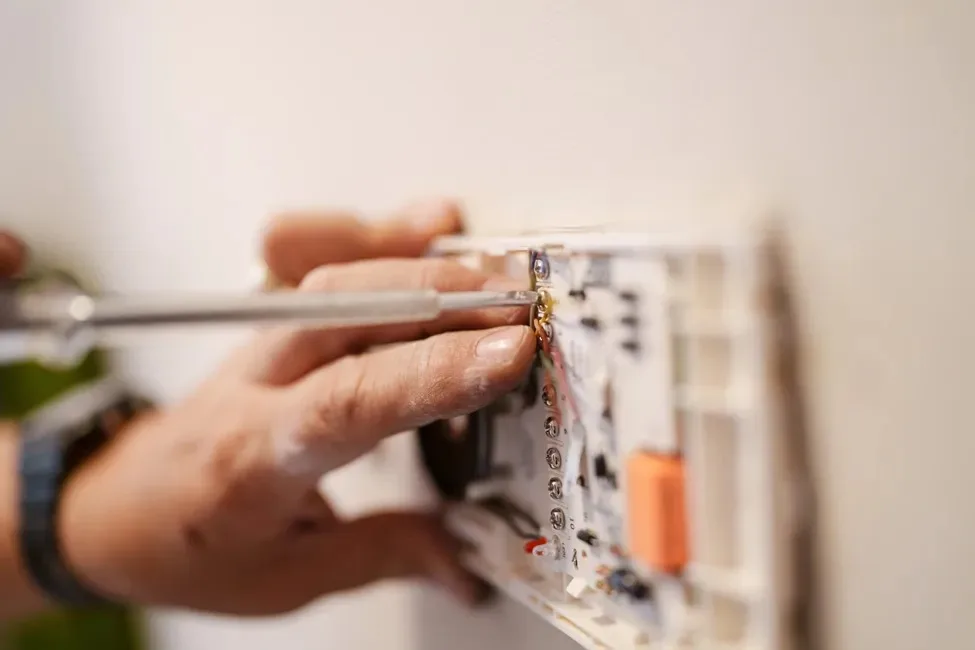
How to Tell You Need Electrical Repairs
These are the symptoms that show up most before someone books a repair, and most are easy enough to spot.
- A breaker trips repeatedly and won't stay reset no matter how many times you flick it.
- A power point has stopped working while nearby points are fine.
- Lights flicker or dim in a pattern that isn't explained by another appliance switching on.
- A switch or point is warm to the touch, buzzing, or shows any sign of scorching.
- An appliance trips its circuit the instant it's switched on.
- A burnt smell lingers near a switch, point or the switchboard itself.
- The breaker box has started making noise it never used to, worth a read on our noisy breaker box page.
- A circuit that used to be reliable now only trips in specific weather or with one particular appliance running.
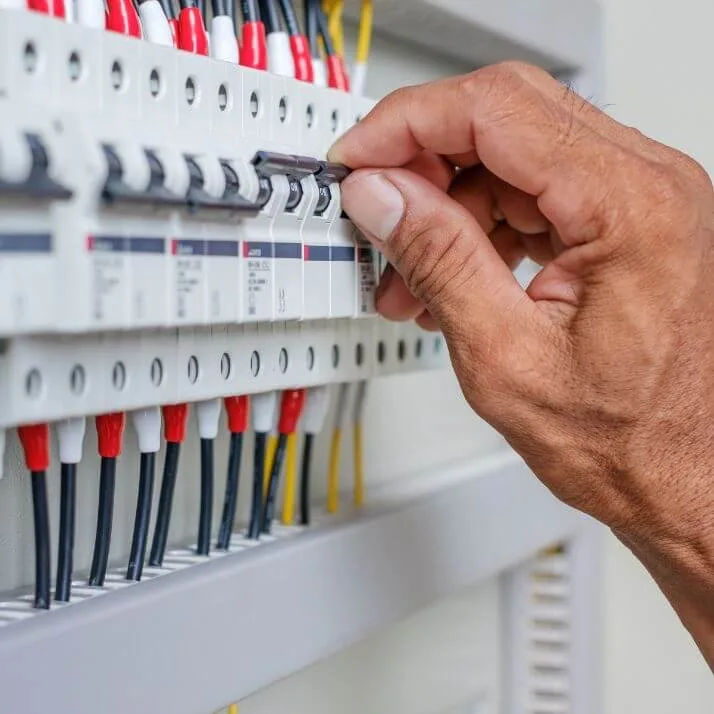
Inside a Typical Electrical Repairs Job
Electrical repairs cover fault-finding and fixes across the whole house, not just one type of problem.
Dead circuit diagnosis. Tracing exactly why a point, light or circuit has stopped working, rather than a guess-and-replace approach.
Tripping breaker repairs. Finding the fault behind a breaker that won't hold, whether it's a worn appliance, damaged cable or overloaded circuit.
Flickering and dimming lights. Isolating whether the cause is the fitting, the switch or the circuit itself.
Warm or scorched fittings. Any switch or point showing heat damage gets replaced and the circuit checked for the underlying cause.
Intermittent faults. The trickiest repairs, chased down with proper testing rather than left to reoccur.
Post-storm and post-outage repairs. Faults that surface after a power interruption, checked and fixed before they become a bigger problem.
Switch and dimmer repairs. A switch that sticks, doesn't click properly or has stopped controlling its circuit.
Outdoor circuit repairs. Garden lighting, sheds and outdoor points that fail after rain or general wear.
Whatever the symptom, the goal is the same: find the actual cause, fix it once, and test it properly before we leave.
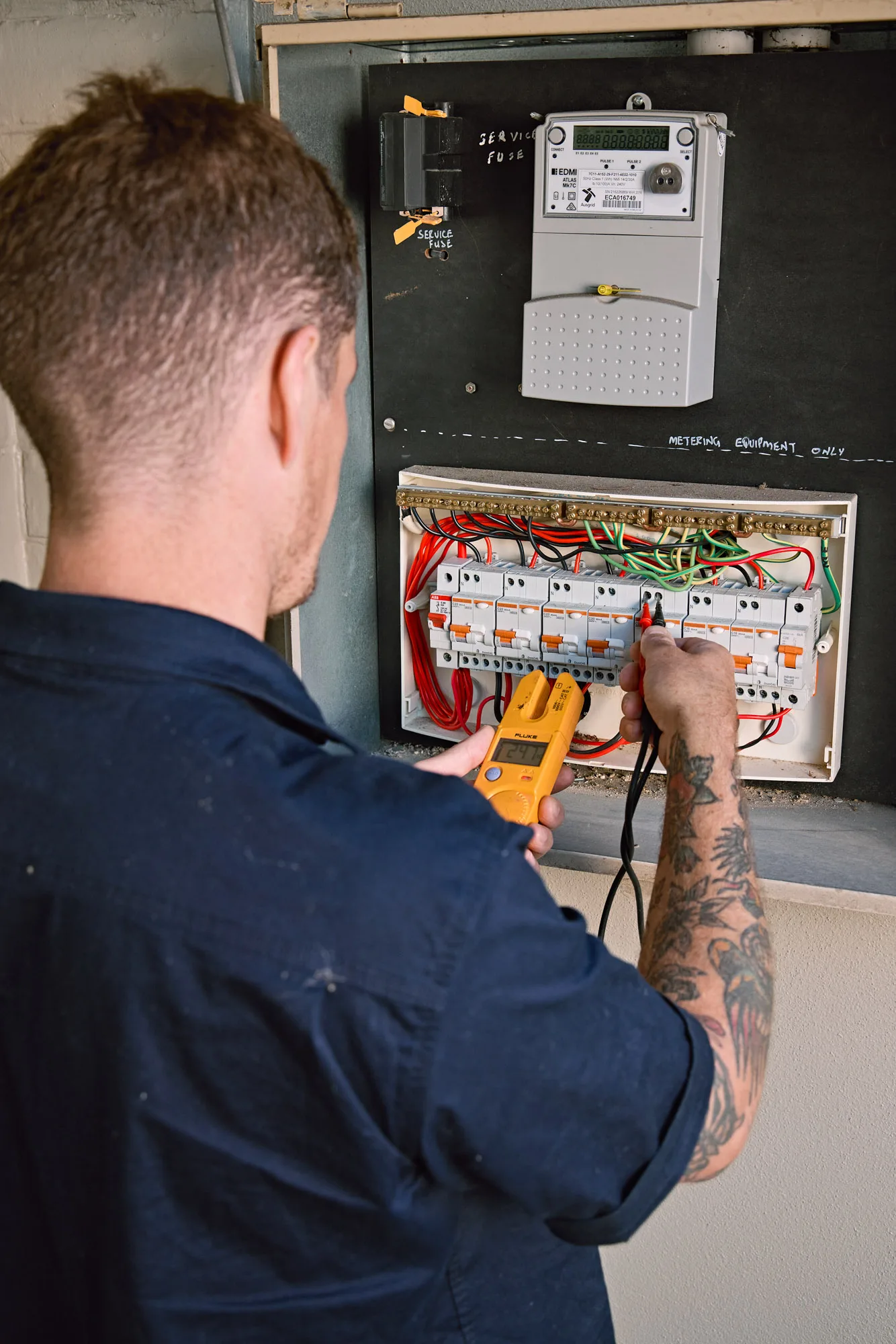
What Affects the Cost of Electrical Repairs
The time it takes to trace the fault is usually what decides the final number on a repair, and a smoke alarm swap can be added.
- How long the fault takes to trace, especially with an intermittent problem.
- Whether the fix is a simple swap or involves replacing damaged cable.
- How easily the switchboard, ceiling or wall cavity can be reached to do the work.
- Any other non-compliant wiring the visit uncovers.
Diagnosis and quote are free, and the fixed price is confirmed in writing before any repair work begins. First-time customers take $50 off the total.
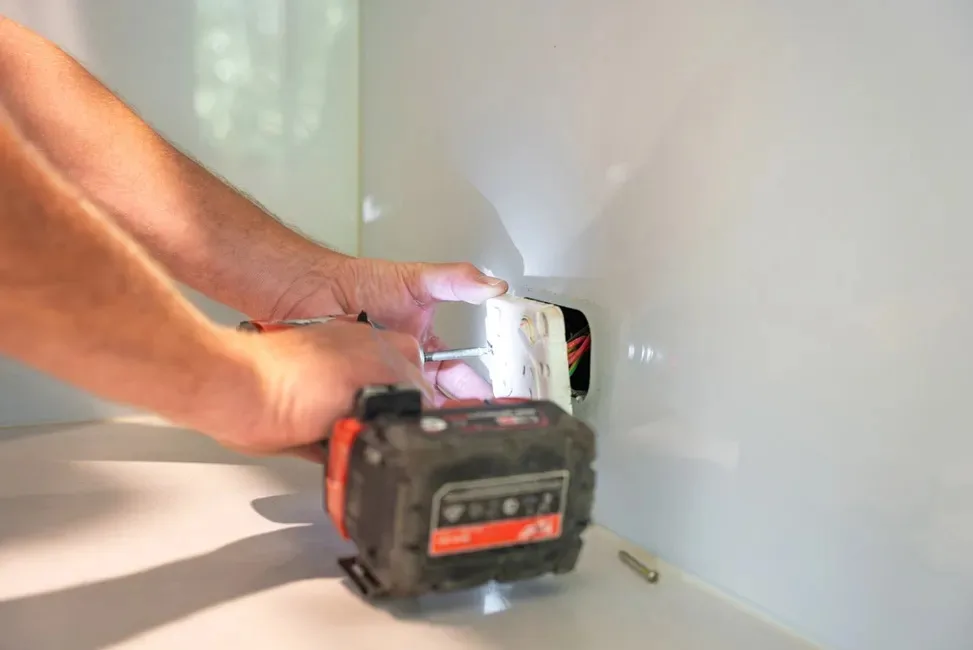
Why Waitara Properties Call For This
Renovations across Waitara's older double-brick homes turn up more than the odd surprise once walls come open. A licensed team spots deteriorating cable insulation others miss, particularly around Burdett Street and the surrounding character streets where original wiring is common.
That kind of fault rarely announces itself before the renovation starts. A wall gets opened for an unrelated reason, and years-old wear only becomes visible then.
Homes near Hornsby Ku-ring-gai Hospital and the busier stretches close to the Pacific Highway see a different repair pattern, usually appliance-heavy circuits under daily strain rather than ageing cable. Either way, the fix starts with tracing the actual fault, not patching the symptom.
Units in the towers close to the line bring a different repair mix again. Higher-density living puts more load through shared circuits, and a fault there can ripple beyond a single unit if it's not traced properly.
What NSW Requires for Electrical Repairs
Repairs are tested to the same wiring standard as any new installation, however small the fault looks from the outside. Where the job is notifiable, the paperwork proving it meets that standard gets lodged once testing is done.
A repair visit is also when a missing safety switch (RCD) most often gets noticed for the first time. Where one's missing, it goes on the same written quote as the repair itself, so there's no separate visit needed later.
Repairing your own wiring carries real legal weight in NSW, not just a technicality. Beyond that, a small visible fault is frequently just the part you can see of a larger problem underneath.
Insurance is a practical reason to keep this licensed too. A claim tied back to unlicensed electrical work risks being knocked back entirely, which makes doing it properly the cheaper option in the long run.
What Usually Gets Booked Alongside This
A repair sometimes reveals a pattern rather than a one-off fault. If the same circuit keeps failing, it's often the switchboard itself that needs the switchboard upgrade conversation, not another repair on the same breaker.
Homes mid-renovation that call for a repair also tend to end up discussing house rewiring once the extent of the ageing cable becomes clear. We'll always flag that honestly rather than keep patching the same fault.
Our Electrical Repairs Process, Start to Finish
1. Get in touch about the fault. Let us know when it started and anything that might be connected, like a recent storm or a new appliance.
2. Diagnosis on site. We trace the actual cause using proper testing, not guesswork, checking the circuit end to end rather than stopping at the first likely culprit.
3. Written quote and repair. The fix is priced and confirmed before we touch anything, then carried out the same visit wherever possible.
4. Test and certify. The repair is tested under load, and paperwork is issued on notifiable work so there's a record of what was found and fixed.
Most single-fault repairs are wrapped up within a couple of hours once the cause is confirmed. An intermittent fault that only shows up occasionally can take longer to isolate properly, and we'll always explain why before charging for the extra time.

What You Get When We Do Your Electrical Repairs
A repair job gets premium Clipsal and Hager parts, whatever the size of the fault, never a cheaper stopgap to save time. That's what keeps a fixed fault from becoming a repeat callout.
You also get the cause explained in plain English, not just the fix. Knowing why something failed is worth as much as the repair itself when it comes to preventing the next one.
Reviewers who've called us out for a fault mention the same pattern: a real explanation of what went wrong, not just a swapped part and an invoice.
Servicing Waitara and the Suburbs Around It
Alongside Waitara, this service reaches Hornsby, Wahroonga, Normanhurst, Asquith and Mount Colah.


Book Your Electrical Repairs Today
A fault left alone rarely gets better on its own. Ring (02) 9538 7444 to get a Waitara electrician booked in for the diagnosis.
Common questions
Electrical Repairs FAQs
These are the questions people ask most before booking a repair.
How much does electrical repairs cost in Sydney?
It depends on how long the fault takes to trace and what caused it. You get a fixed, written price once we've diagnosed the problem, before any repair starts.
How long does an electrical repair take?
Most single-fault repairs are finished in an hour or two once the cause is found. Tracing an intermittent fault can take longer, and we'll explain why if it does.
Do I need a licensed electrician for electrical repairs?
Yes, always. Any repair that touches wiring, a switch or a point is licensed work in NSW, whatever the fault looks like.
Can electrical repairs be done without turning off power all day?
Almost always. We isolate the specific circuit at fault, so the rest of the house keeps running normally while we work.
What are the signs I need electrical repairs?
A breaker that won't stay reset, a dead power point, or a light that flickers on its own are the clearest signs. Any warm switch or point is worth a call too.
Do you handle strata or apartment electrical repairs in Waitara?
Yes, including units near the station where we work with owners, tenants or the strata manager directly.